Meet Connor
In December 2021, after ongoing abdominal pain, Connor’s scans suggested pancreatitis, but repeated biopsies did not give clear answers.
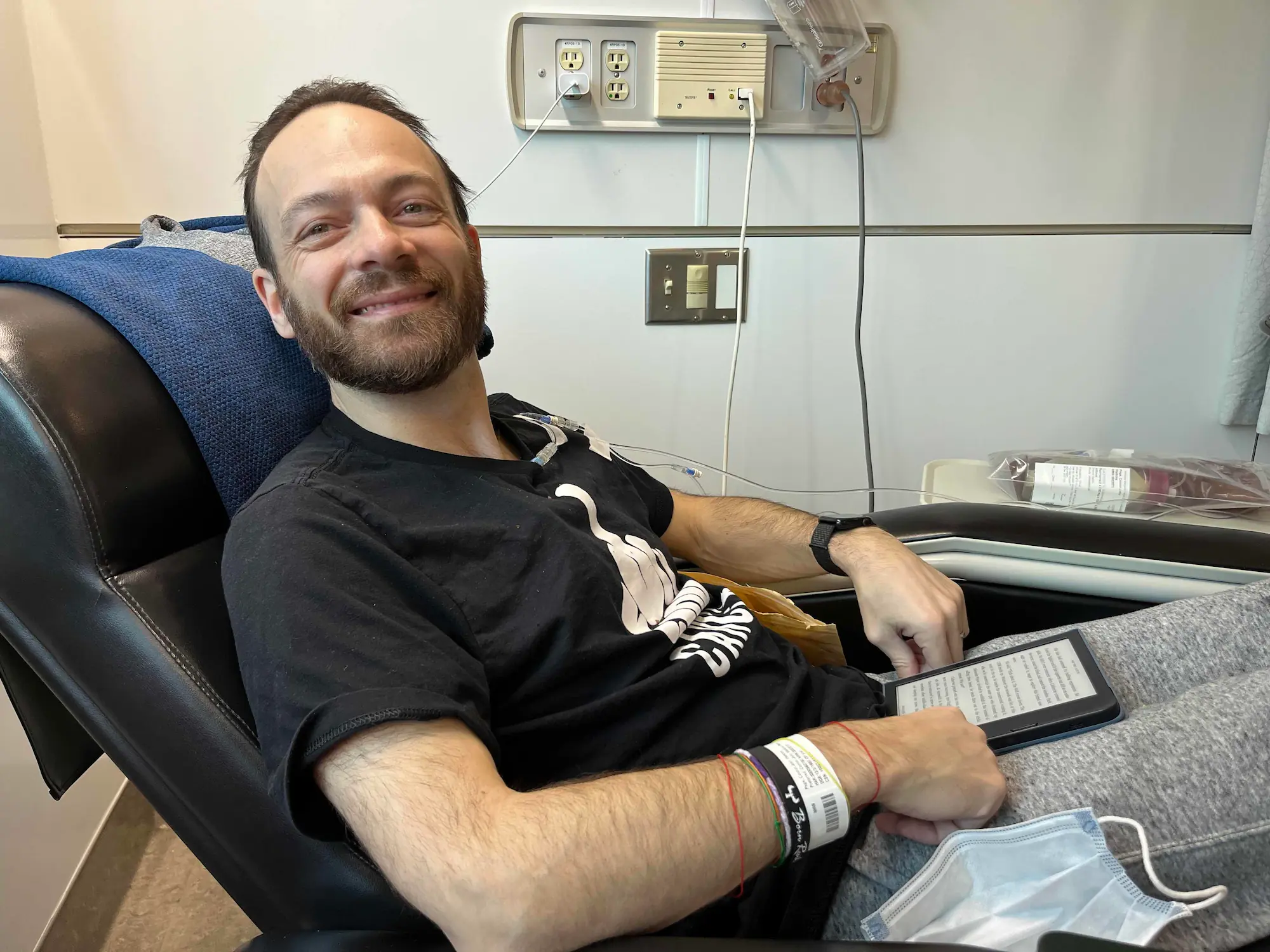
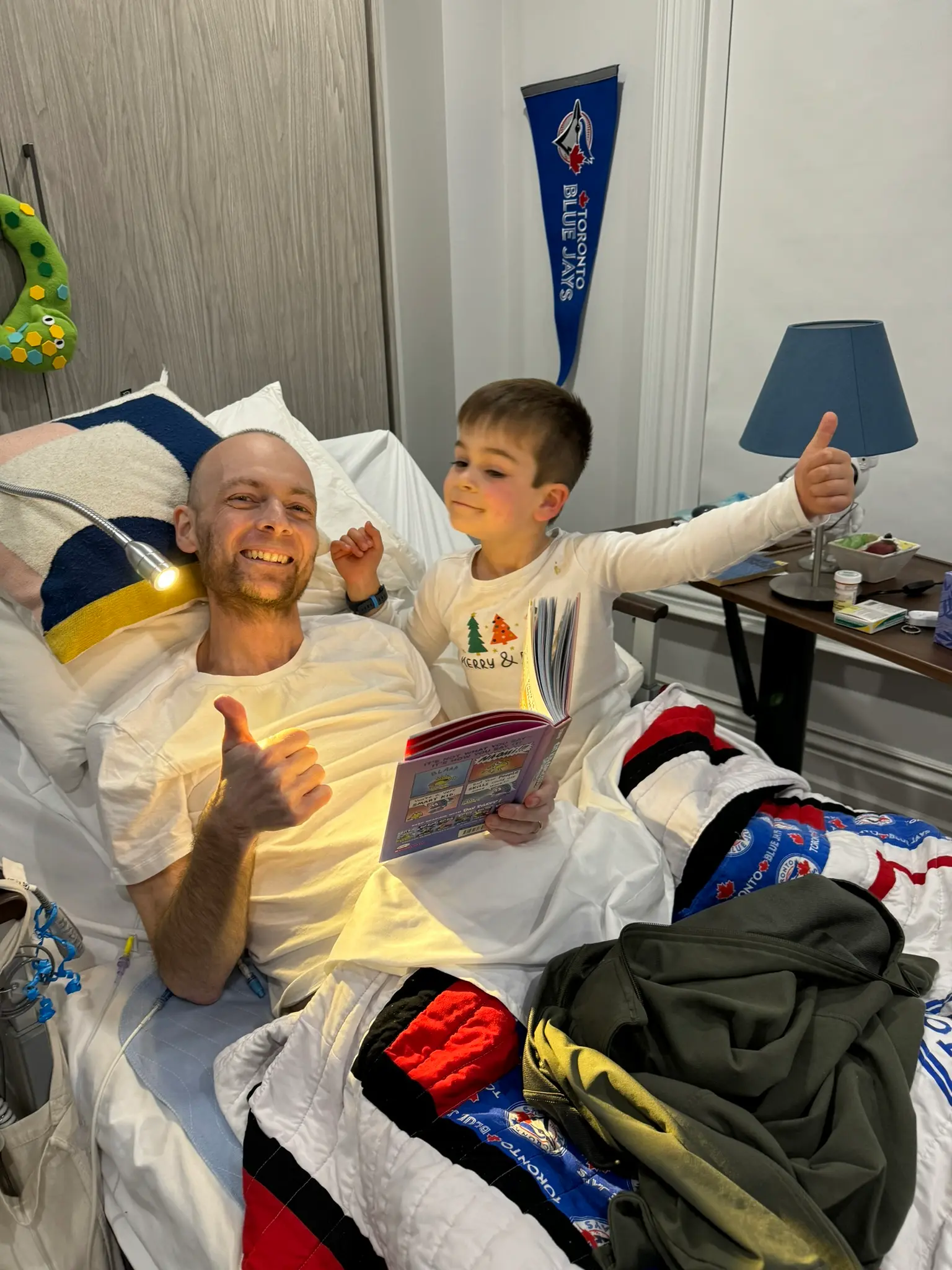
At just 38, pancreatic cancer seemed unlikely, but in April 2022 a biopsy confirmed stage IV pancreatic cancer. From day one, Connor’s focus was simple: be there for his boys. Throughout treatment, he and his family lived by a “no stone unturned” approach, pursuing every possible treatment, clinical trial, and supportive care option.

Genetic testing became a priority. Getting enough usable tumour tissue was difficult, but persistence paid off.
Results showed an inherited change in a gene called ATM, plus cancer-specific changes in KRAS and FGFR1. This information shaped Connor’s treatment and opened doors to trials. The ATM change helped explain his strong response to a certain chemotherapy (Folfirinox) and suggested he might benefit from a targeted drug called Olaparib and from radiation. Testing also brought peace of mind for him and his wife, Jen, as they learned their children were not at risk for a rare childhood condition linked to ATM.

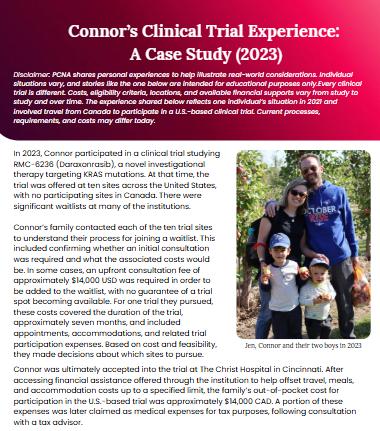
He and his family began researching clinical trials early, and in September 2023, Connor joined a promising early-phase trial in Cincinnati studying the KRAS-targeting drug RMC-6236 (daraxonrasib)
Within five weeks, his main tumour had shrunk by more than 50 percent, giving him months of feeling stronger and more like himself. (As of 2026, daraxonrasib has continued to show promising results in clinical trials for KRAS-mutated cancers and has received expedited regulatory attention in the United States.)
By March 2024, signs of the cancer growing again meant it was time to switch treatments. The trial gave precious time, hope, and memories. Connor faced his illness with strength and hope, supported by exceptional care, family, friends, and a deep belief that he could overcome the challenges before him.

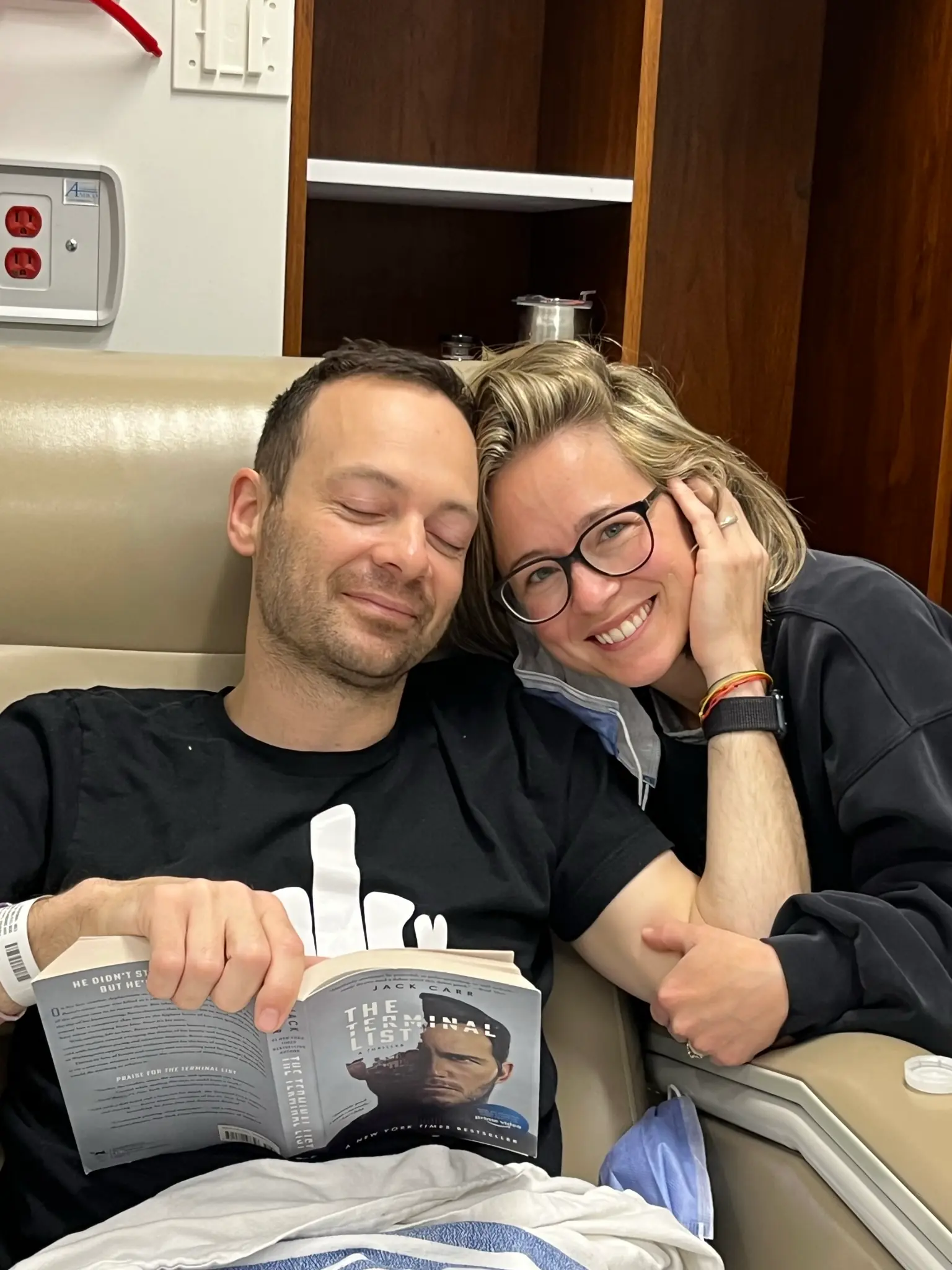
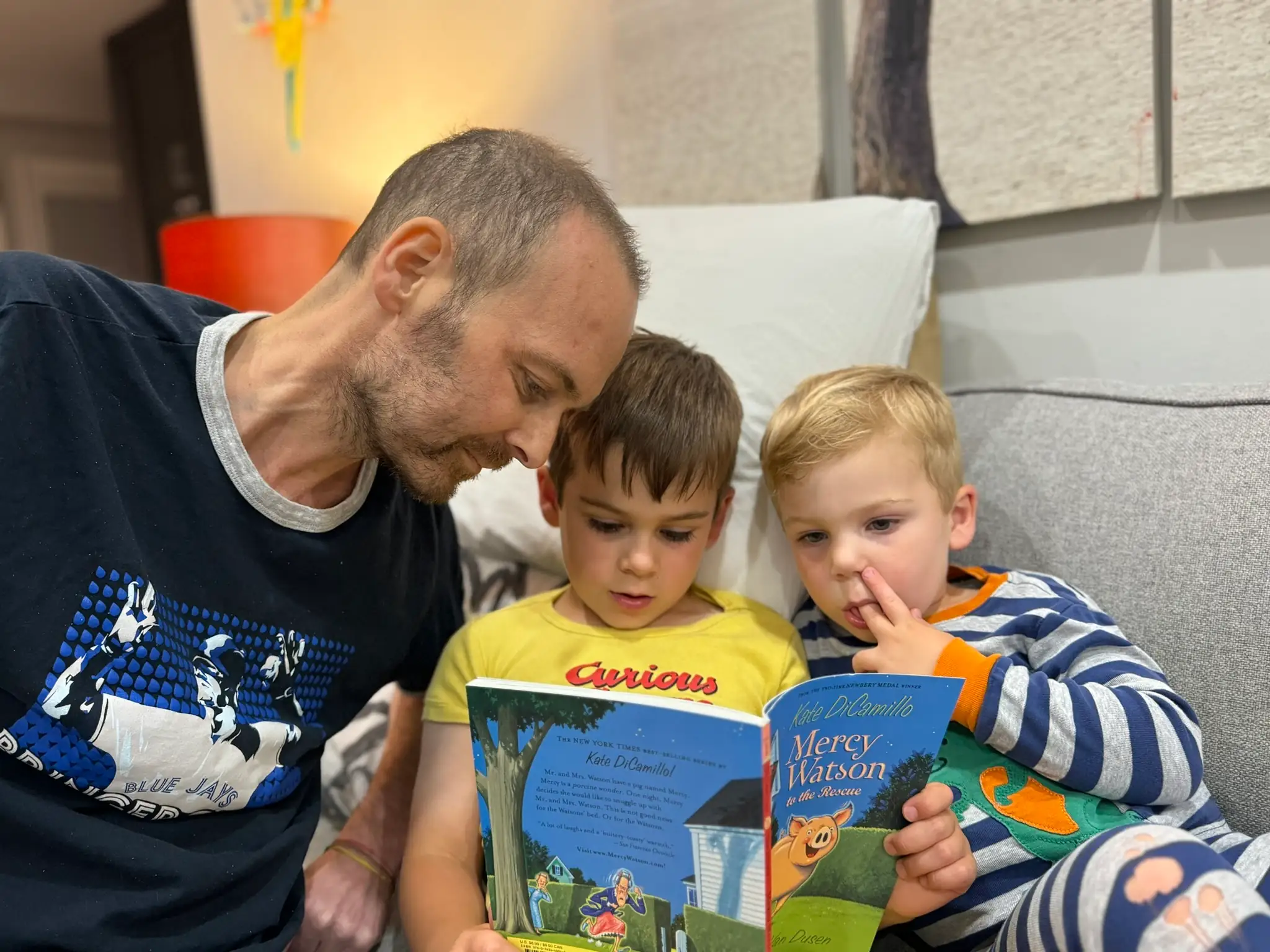
Connor Page passed away at home on October 10, 2024, at the age of 41, surrounded by his wife, two young sons, his mother, and sister. Known for his humour, kindness, and authenticity, Connor was deeply loved by family and friends.

In December 2021, after ongoing abdominal pain, Connor’s scans suggested pancreatitis, but repeated biopsies did not give clear answers.
At just 38, pancreatic cancer seemed unlikely, but in April 2022 a biopsy confirmed stage IV pancreatic cancer. From day one, Connor’s focus was simple: be there for his boys. Throughout treatment, he and his family lived by a “no stone unturned” approach, pursuing every possible treatment, clinical trial, and supportive care option.
Genetic testing became a priority. Getting enough usable tumour tissue was difficult, but persistence paid off.
Results showed an inherited change in a gene called ATM, plus cancer-specific changes in KRAS and FGFR1. This information shaped Connor’s treatment and opened doors to trials. The ATM change helped explain his strong response to a certain chemotherapy (Folfirinox) and suggested he might benefit from a targeted drug called Olaparib and from radiation. Testing also brought peace of mind for him and his wife, Jen, as they learned their children were not at risk for a rare childhood condition linked to ATM.
He and his family began researching clinical trials early, and in September 2023, Connor joined a promising early-phase trial for a KRAS-targeting drug in Cincinnati.
Within five weeks, his main tumour had shrunk by more than 50 percent, giving him months of feeling stronger and more like himself.
By March 2024, signs of the cancer growing again meant it was time to switch treatments. The trial gave precious time, hope, and memories. Connor faced his illness with strength and hope, supported by exceptional care, family, friends, and a deep belief that he could overcome the challenges before him.
Connor Page passed away at home on October 10, 2024, at the age of 41, surrounded by his wife, two young sons, his mother, and sister. Known for his humour, kindness, and authenticity, Connor was deeply loved by family and friends.
“The pathway to returning to full health is different for everyone. Your path may include standard therapies, clinical trials, alternative therapies and other modalities. I’ve learned from other survivors that it takes a combination of approaches to return to full health. I encourage you to explore all possible treatment options.”
Connor Page, during Pancreatic Cancer Awareness Month, 2023
Determined to help others, Connor was driven to improve access to clinical trials, inspiring the creation of the Connor Page Fund for Improved Access to Clinical Trials with Pancreatic Cancer North America.
A key part of this legacy is “The Connor Page Playbook for Navigating Clinical Trials,” born from his and his family’s life-altering experience. What began as one family’s journey has grown into a resource with the power to profoundly support and benefit the wider pancreatic cancer community. The knowledge and insight they gained are an invaluable gift, offering guidance, hope, and practical help to others. Connor’s courage and generosity will continue to create ripples for years to come.








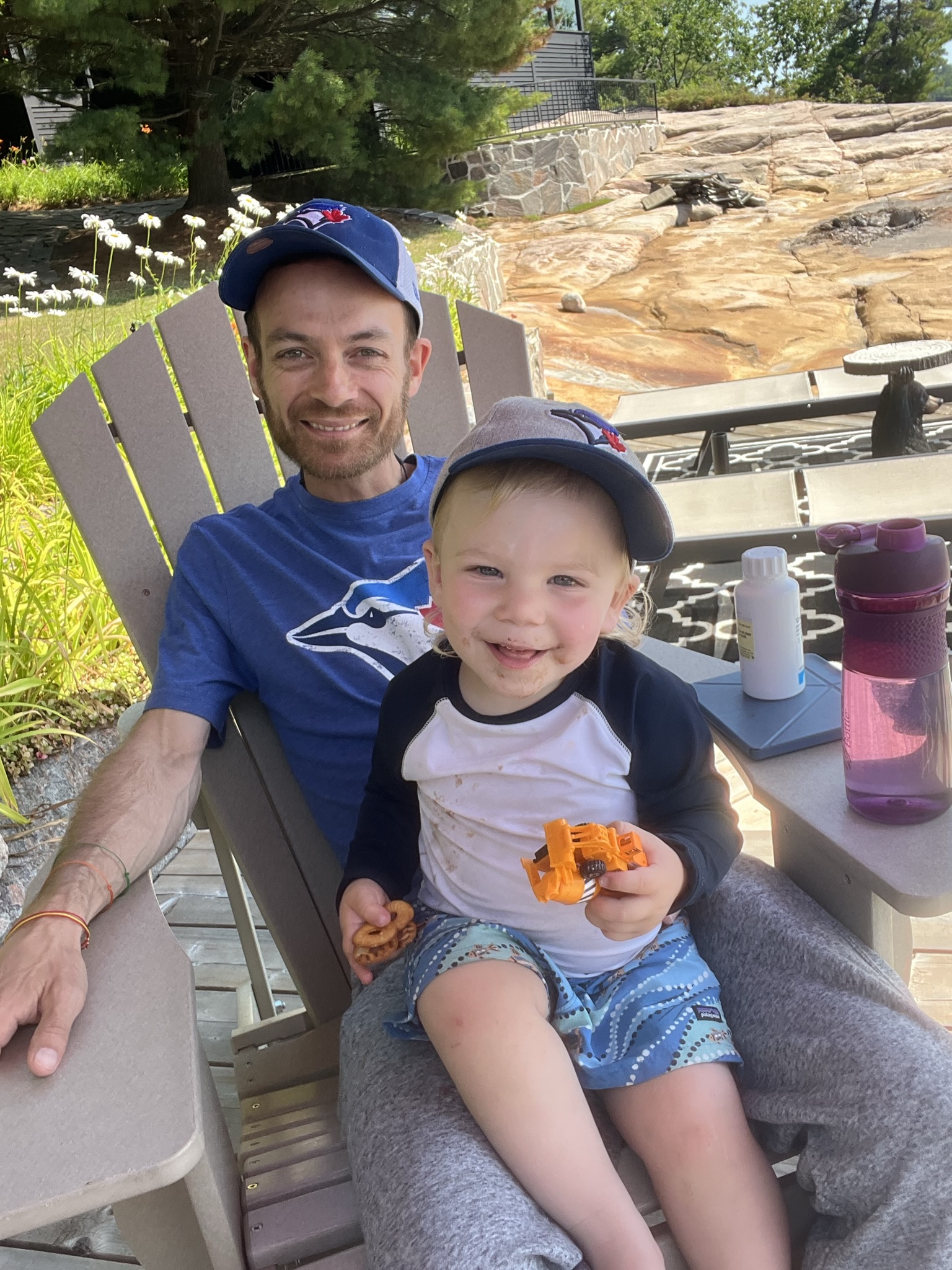
The memories Connor and his family made throughout Connor’s journey with pancreatic cancer, including his opportunity to participate in a clinical trial:
- 6+ trips to the cottage
- 6 Jays games attended
- 5 birthdays with our kids (one turning 2, 3, 4 and the other turning 5 and 6)
- 2 milestone birthdays for both of us – turning 40!
- 10 T-ball games coached, many more attended
- 4 Taekwondo belt promotion ceremonies attended for the kids
- Countless kids’ activities attended
- Countless nightly wrestling matches with the boys and weekly movie nights
- 3 concerts attended
- 3 weekends away as a couple
- 1 son’s graduation
- Many trips to the movies
- 10+ days on the slopes
- 3 trips to Bondi
- 3 Christmas and New Year’s and many holiday celebrations
- Seeing so many firsts for our kids
- Countless board games played
- Countless dinners with friends and family
- Countless memories made
This is for Connor, and for you.
Understanding the Basics of
Clinical Trials
Before beginning your search for a clinical trial, it can be helpful to understand some of the basic concepts behind how trials work. This section introduces key definitions, explains why clinical trials matter, outlines who is involved, and describes the safeguards in place to protect participants.
Table of Contents
Scroll to explore
What is a clinical trial
Clinical trials are research studies designed to help us better understand cancer and find more effective treatments.
These studies evaluate new medications, treatment approaches or medical procedures to see how well they work compared to current treatments. Clinical trials can be an option at all stages of cancer care. They are essential to advancing cancer research and improving patient outcomes.
Why clinical trials matter
Clinical trials play a key role in advancing cancer care. Much of the progress in cancer treatment comes from these studies. They give researchers the opportunity to test new treatments and patients access to promising therapies that might not yet be widely available.
These may include:
- New chemotherapy options.
- Personalized (precision) medicine such as immunotherapy[i] and targeted therapy[i].
- Advanced surgical or radiation[i] techniques.
- Developing imaging tools or blood tests (biomarkers[i]) for earlier cancer detection.
- Improved methods for managing symptoms and treatment side effects.
- Better understanding of how cancer progresses.
- Supportive care programs designed to enhance quality of life.
Why participate in a clinical trial
There are many benefits to joining a clinical trial:
Opportunity to Try New Treatments
Clinical trials provide participants with access to new treatments that are not yet available to the public. These treatments may offer better outcomes than current options.
Access to Expert Medical Care
Clinical trial participants often receive care from specialized medical professionals and experts in the field related to the trial.
Enhanced Monitoring and Care
Participants in clinical trials often receive closer medical supervision than with standard care. This includes more frequent tests, regular check-ins with healthcare professionals, research nurses, and study coordinators, ensuring you are always supported throughout the study.
Contributing to Medical Research and Helping Others
Your participation helps researchers advance scientific knowledge, which can lead to new and improved therapies for future patients.
How your health and safety are protected
Participant safety is the top priority in clinical trials. All trials in Canada must follow strict rules and guidelines to ensure this safety. Before a study can begin, it must be reviewed and approved by a Research Ethics Board (REB). The REB is an independent committee made up of doctors, scientists, and other professionals whose role is to protect your rights throughout the study.
Your Rights as a Clinical Trial Participant
If you decide to participate in a clinical trial, you have the right to receive all the necessary information to help you make an informed decision about joining or staying in the study. Participation is entirely voluntary and you may leave (withdraw) at any time and for any reason without affecting your regular medical care. Your privacy, confidentiality, and personal choices will always be respected and protected.
Health Canada
Health Canada is the federal government agency responsible for ensuring the safety of clinical trials in Canada. Whether a trial involves a brand new treatment or a new use for an existing one, Health Canada must review and approve the study before it begins. Throughout the trial, Health Canada continues to oversee the process to protect the health and safety of all participants.
Professional Guidelines:
All medical professionals and research staff involved in clinical trials are required to follow the Guidelines for Good Clinical Practice (GCP)[i]. These guidelines are designed to protect your health, privacy, and rights as a participant.
The team behind a clinical trial
Clinical trials are conducted by a team of medical professionals who work together to make sure the study runs properly and safely. The study is led by a Principal Investigator (PI), usually a doctor who specializes in cancer research, who oversees every part of the trial. The PI helps design the study and makes sure it follows safety and ethical rules.

Co-Investigators
Co-Investigators (Co-Is) are experienced doctors or researchers who work closely with the PI. They help conduct the study and provide expert guidance. Both the PI and Co-Is may also be involved in treating participants and monitoring their health throughout the trial.

Study Coordinators
Study Coordinators manage the day-to-day activities of the clinical trial. They help recruit participants, explain the study and related forms, schedule study visits and are often the main point of contact for participants. Study coordinators usually come from a variety of backgrounds, such as research nurses, clinical researchers, genetic counsellors[i], or other trained professionals, depending on the needs of the study.

Laboratory staff
Laboratory staff collect and test participant samples, such as blood, tissue[i], or other bodily fluids. These tests help the research team understand if the treatment is working, monitor health and side effects, and even study genetic changes.

Data analysts
Data analysts look at the information collected during the trial to help researchers understand if the treatment is working, how safe it is, which participants benefit most, and how it compares to existing treatments.

Other team members
Other team members may include medical trainees, such as students, residents[i], or fellows[i], who support various parts of the study under supervision as part of their training.

Participants
Participants are the foundation of every clinical trial. Clinical research would not be possible without their help.
Don’t Wait to Explore Clinical Trials
If you’re interested in clinical trials, don’t wait to start doing your research. When a standard of care drug stops working, things can change fast. At that point, you will want to know which types of trial drugs show the most promise so you can focus on the options that are the best fit for you moving forward.
This will help you be prepared and ready if/when a trial spot opens up.


The building blocks of a clinical trial
Clinical trials follow a series of carefully controlled steps called phases.
Each phase answers specific research questions. Early phases focus on safety and dosage[i], while later phases look at how well the treatment works compared to current options. Participants generally take part in one phase of a clinical trial, not all of them.
Phase 1
Phase 1 trials are the first step in testing a new treatment in people. They usually include a small group of less than 100 participants. These trials focus on making sure a treatment is safe, seeing how well it is tolerated, and finding the best dose, rather than seeing how well the treatment works. They are often offered to people whose cancer is advanced and has not responded to other treatments.
Phase 2
Phase 2 trials assess the treatment in a slightly larger group of up to a few hundred participants. Researchers look at how well the treatment works while continuing to monitor side effects and safety.
Phase 3
Phase 3 trials compare the new treatment to the current standard treatment, also known as the standard of care, in a larger group of hundreds or thousands of participants. The side effects, safety and overall benefit to the participant are carefully reviewed. If successful, the treatment may be approved for general use and could become the new standard of care. In Canada, Health Canada usually requires Phase 3 results before approving a treatment.
Phase 4
Phase 4 trials take place after a treatment has been approved. These long-term studies help researchers understand how the treatment works in everyday life outside of a trial. They monitor long-term safety, side effects and quality of life.
Each phase builds on the one before it, ensuring that only treatments that are both safe and promising move forward to the next stage.
Staying Organized During Cancer Care
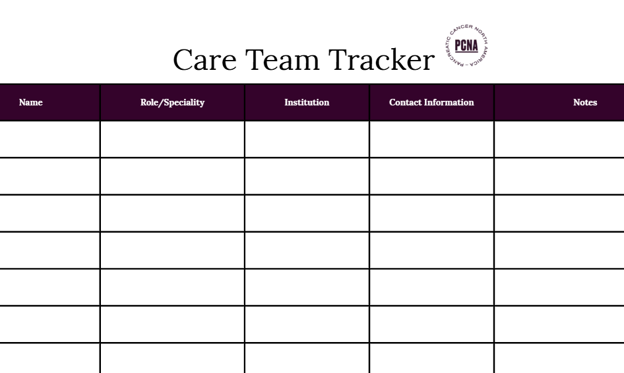
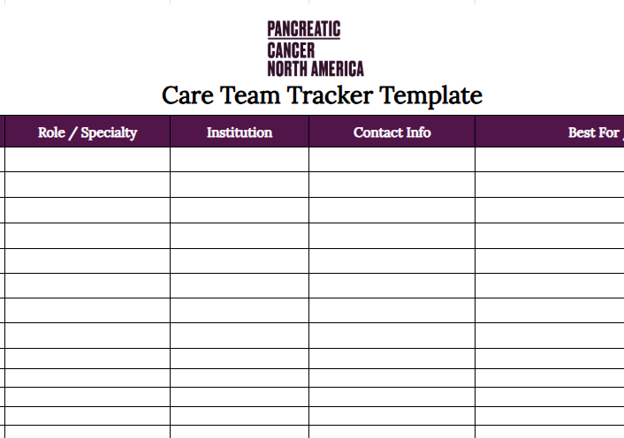
There are many people involved in your entire care team. This can become especially true during a clinical trial. From your primary oncologist and nurse to the study coordinator, social worker, and palliative care team, each person has a specific role. They are not always linked directly to the clinical trial team but can still play an important part in supporting your health and well-being throughout the process. This also means they could be located across different hospital systems. You may also have access to resources like a 24-hour oncology line for urgent concerns or symptom management.
It can be helpful to keep all this information in one place including names, roles, contact details, and when to reach out to each person. Having a clear record makes it easier to know who to contact and helps ensure that nothing falls through the cracks when questions or issues come up.
Early Considerations
A diagnosis of pancreatic cancer can be overwhelming. If you are interested in pursuing treatments beyond the standard of care, the section below can help with some of the early considerations after a diagnosis.
Table of Contents
Scroll to explore
Genetic Testing
Informing your treatment plan
In the early days after diagnosis, it is important to speak with your oncology team about genetic testing as it can provide valuable information to guide treatment decisions. Results may:
- Reveal targeted or personalized therapy options beyond standard treatments
- Provide guidance on the most effective treatments
- Help determine eligibility for specific clinical trials
Because genomic testing can play an important role in informing treatment decisions, access to timely and comprehensive testing matters. My CANcer Code, an initiative from Pancreatic Cancer North America, helps eligible pancreatic cancer patients in Canada access advanced genomic and biomarker testing, along with personalized support to help navigate results and next steps.
Learn more about My CANcer Code here.
Obtaining tumour tissue for genomic testing
If testing is recommended, your care team can make sure enough tissue is collected during a procedure you’re already having as part of your cancer care, such as surgery or a biopsy. In most cases, no extra procedure is needed. Occasionally, the initial sample may not provide enough cancer cells for testing, and your care team can discuss whether obtaining an additional sample is possible.
It’s helpful to talk with your oncologist before any procedure to ensure that enough tissue is preserved for potential genomic testing. This planning can help avoid repeat procedures and make the process more efficient.
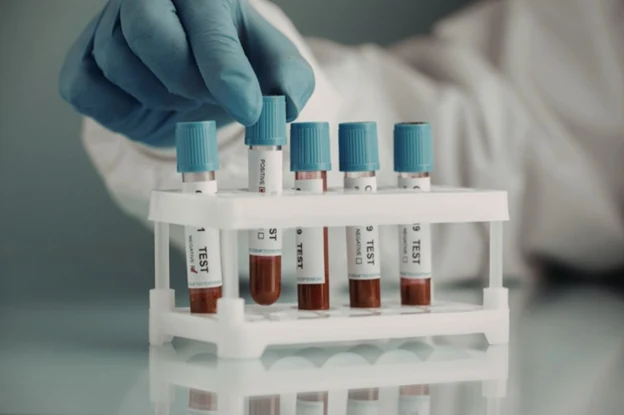
In some cases, a blood test called a “liquid biopsy” may be an option. It looks for tiny pieces of genetic material released by the tumour into the blood and can be used when it’s difficult to collect tissue directly from the tumour or from a site where the cancer has spread (metastasis).

The Testing Process: What to expect
Depending on where you’re receiving care and the type of test being ordered, some coordination may be required. Most tests through hospitals or provincial programs are coordinated by the oncology and pathology teams.
In some situations, especially if testing is arranged privately or through an external laboratory, additional steps may be needed, such as completing consent forms, confirming testing requirements, or facilitating communication between your care team and the testing lab.
If the coordination feels overwhelming, consider asking a caregiver or loved one to help with paperwork or communication. You don't have to manage this on your own.
The genetics and genomics report
Understanding a medical report can be challenging, especially when it comes to genetic and genomic testing. These reports often contain complex information and are meant to be interpreted by your healthcare team, including your oncologist and, if applicable, your genetic counsellor. You don’t need to interpret the report on your own.
Some genetic changes are better understood and more actionable, meaning therapies or clinical trials may be available to target them, while others may not yet have established treatment options. Your care team will focus on the information most relevant to your care and help you understand what it means for your treatment plan, potential clinical trials, and future health decisions.
Genetic testing cost consideration
Access to genetic testing varies across Canada, and the cost depends on the type of test and how it’s funded.
Coverage differs by province, cancer centre, and individual eligibility. Some tests are covered by provincial cancer programs, clinical trials, or provincial health insurance for patients who meet specific criteria. Other tests are only available privately, usually requiring out-of-pocket payment, with costs varying by lab or provider.
Your oncologist or healthcare provider can explain what testing is available to you, any associated costs, and what might be most appropriate for your situation. If testing isn’t automatically offered, you can ask if you qualify for genetic testing or request a referral to a genetics clinic. You may also want to consider clinical trials or research studies that include genetic or genomic testing at no cost to participants. Turnaround time for results can vary depending on the testing facility and the type of analysis, which may also affect when results are available to guide treatment decisions.
Programs such as PCNA's My CANcer Code are also helping expand access to advanced genomic and biomarker testing for eligible pancreatic cancer patients in Canada, with support to help patients and care teams better understand and use the results.
If you would like additional guidance as you explore your options,
our Ask An Expert team is here to help you think through next steps and prepare for informed conversations with your care team.
For more detailed information about finding clinical trials and what to expect during the process:

Keep an open mind about treatment options
Don’t be discouraged if your genetic testing report does not list any approved targeted therapies. Standard of care treatments, such as chemotherapy, are still available and can be effective. A report that shows no approved targeted treatments simply means that there are currently no therapies specifically approved for your genetic mutations—but it doesn’t mean there are no options.
Investigational therapies are treatments currently being studied in clinical trials and may still represent important potential options. The “Investigational Therapies” section of your report can be a helpful starting point, but it may not include every clinical trial or research study that could be relevant to your situation. Beginning your search early, staying organized, and remaining open to different possibilities can help you and your care team explore the full range of potential treatment opportunities.
Palliative and supportive care
Palliative care is an important part of care from the time of diagnosis and can be provided alongside treatment or clinical trials. It focuses on improving quality of life by helping manage symptoms such as pain, fatigue, nausea, appetite changes, constipation, sleep concerns, and emotional distress.
Palliative care is often misunderstood as being the same as end-of-life or hospice care, but it is not limited to end-of-life situations. It can be introduced at any stage of illness and is intended to help people feel as well as possible throughout treatment.
Additional supportive resources, including nutrition guidance, exercise during treatment, and emotional or spiritual support, can further enhance well-being. Please consult your care team regarding supportive and palliative care options.
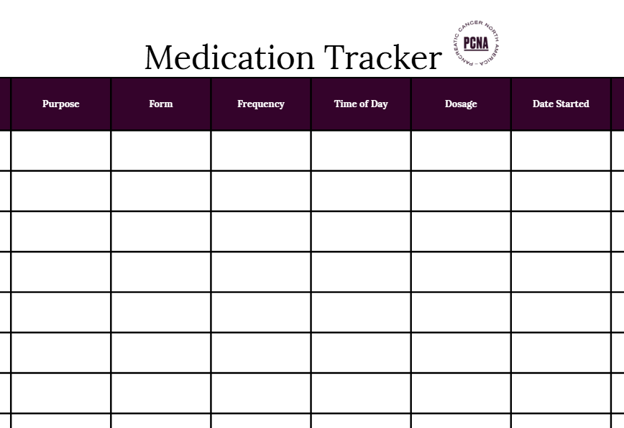
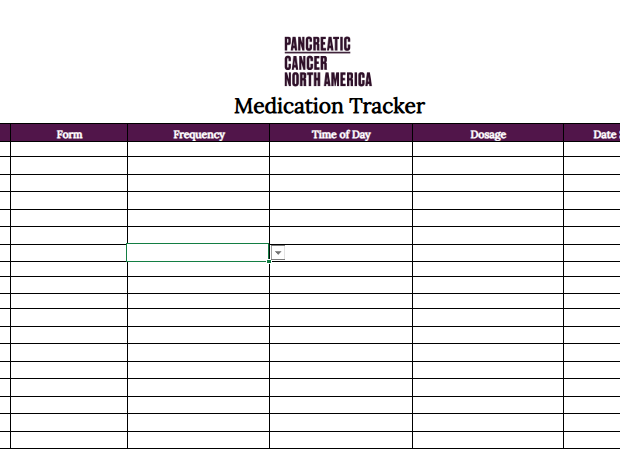
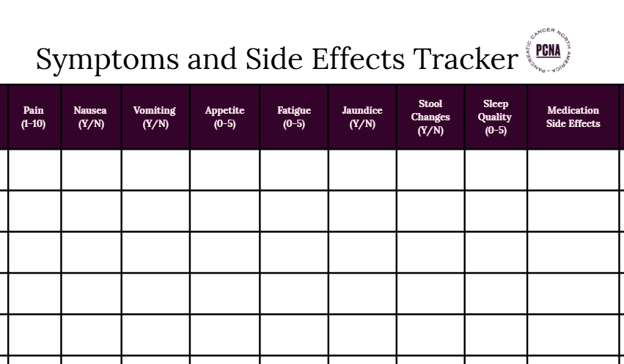
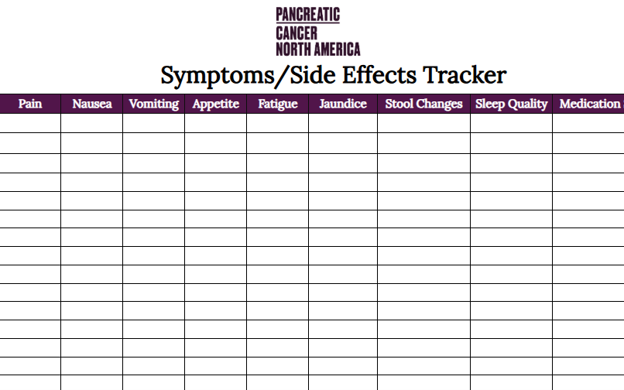
Tracking symptoms, medications, meals, and side effects can help your care team identify what is working and where adjustments may be needed. It can also help you prepare for appointments, especially when seeing multiple providers or considering a clinical trial.
The medication tracker below can help organize this information and reduce administrative time during appointments, including emergency department visits or when seeing new providers.

Questions to ask about palliative care
These questions can help you start a conversation with your care team about palliative and supportive care:
- Can I be referred to palliative care now, even while receiving treatment?
- What symptoms can palliative care help manage?
- How can I better manage fatigue, appetite changes, or digestive symptoms?
- Are there nutrition or exercise specialists available through my cancer centre?
- What emotional or psychosocial supports are available to me and my family?
- Should I be tracking symptoms or side effects between appointments?
- Are there tools or templates available to help me prepare for visits?
For more support, please reach out:
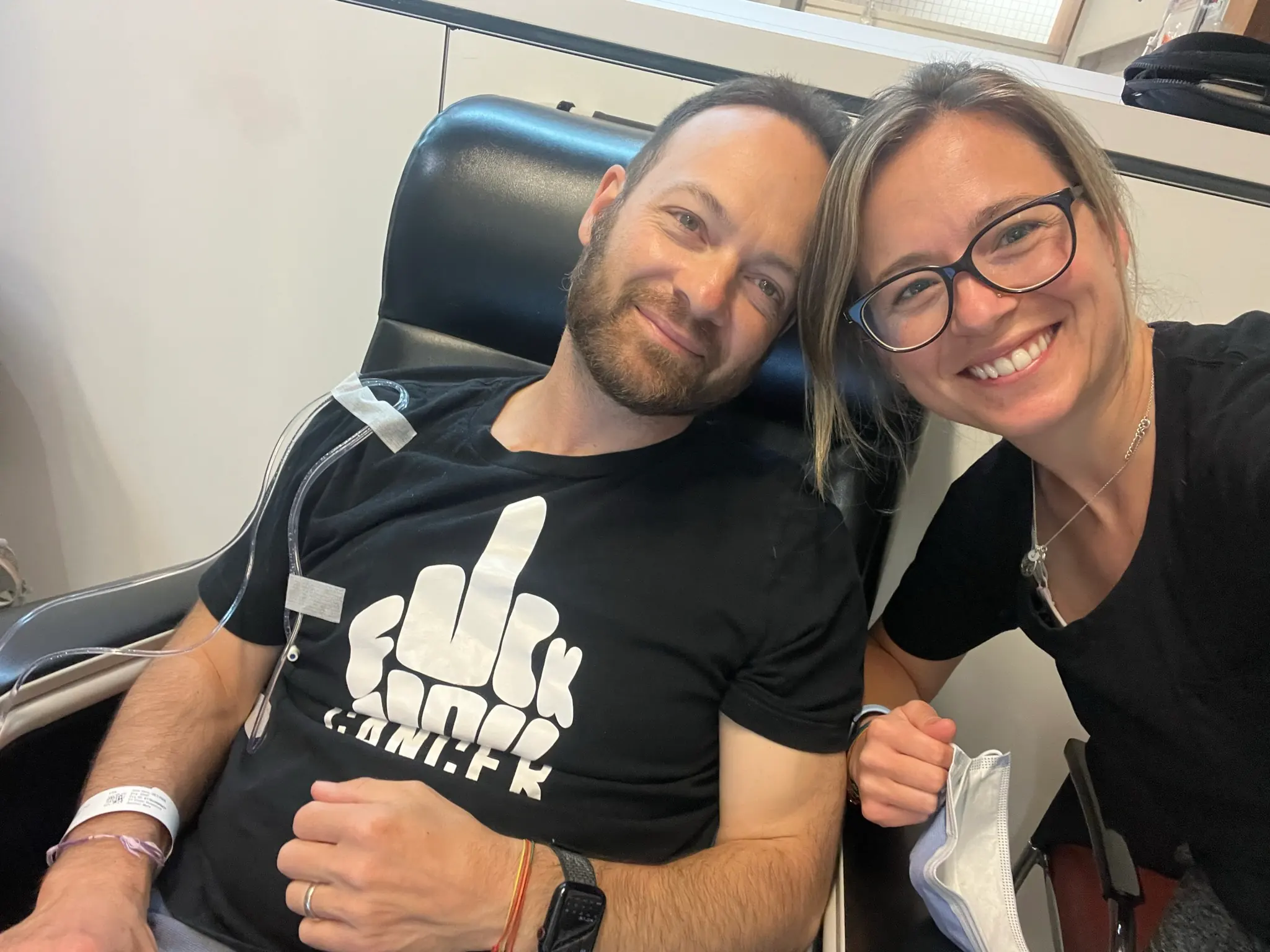
Don’t wait to ask for palliative care
“One of the most important lessons we learned was that palliative care is not just for the end of life. At diagnosis, doctors said Connor needed to stay in hospital until he could tolerate oral pills to manage pain. He worked with a forward-thinking palliative care practitioner and family member to go home on an IV “pain pump”. We learned not to worry about “bothering” his doctors and nurses. They wanted to help and could do so better when they understood our goals – to get as much time at home with family as possible.”
– Jen Lovrics, Connor’s wife

Consider your “Why”:
Is a Clinical Trial Right For You?
Whether or not standard treatment is still an option for you, it is important to carefully weigh the potential benefits and risks of joining a clinical trial. Deciding to participate is a personal choice and may depend on many factors. Before you enroll, it’s helpful to understand not just what the trial is testing, but how it might affect your care, your schedule, your quality of life, and your future options. Asking the right questions early on can give you clarity, set expectations, and help you and your care team decide whether a trial is the right fit for you.
Table of Contents
Scroll to explore
Start a conversation: Speaking with care team
Clinical trials may offer access to new and emerging treatment options. However, many people are unsure how, or when, to bring up clinical trials with their oncologist or care team.
Starting the conversation early in your treatment journey can help ensure that you are aware of all available options. Asking about clinical trials does not mean you are committing to participate. It is simply a way to gather information and understand whether a trial might be appropriate for you now or in the future.
Your oncology team should expect questions about treatment options, including clinical trials. Open discussions allow you and your care team to make informed decisions together.
You may also wish to speak with other trusted members of your healthcare team or seek a second opinion as part of your decision-making process. Exploring different perspectives is a normal and appropriate part of advocating for your care.
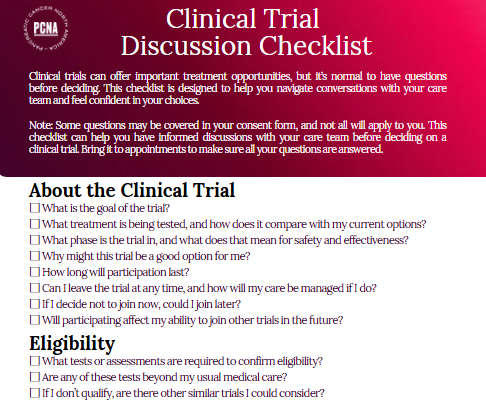
To help guide these conversations, we have created a companion handout with suggested questions and tips for starting the discussion. It is designed to help you feel prepared, confident, and informed when speaking with your doctor about clinical trial options.
Starting the Conversation:

Consider your goals and your “why”
It’s important to consider your goals when deciding whether to participate in a clinical trial. Some trials require travel or frequent visits to the clinic. Have conversations with your loved ones about balancing time away from them and whether a trial would be aligned with your goals for treatment. Once you have these goals in mind, it will help to inform what trials you would consider and where.

Connor’s Why:
For Connor and his wife, the journey through standard of care treatment and the desire to participate in a Clinical Trial was driven by his “why” - to have as much time as possible being a dad. This journey is different for everyone.
200+
Clinical trials tracked and reviewed
150+
Disgusting vegetable juices made with love
5
Books read on healing your cancer
15
Trips to Cincinnati for the KRAS trial
Countless
Memories made as a family
Social workers can help navigate the practical side of care
Most hospitals have a social worker on staff who can support patients and families throughout treatment, including those participating in clinical trials. Social workers can help with a wide range of practical needs, such as navigating leaves from work (for either the patient or caregiver), accessing government support programs, or managing financial paperwork related to care and travel.
Whether you are starting cancer treatment or enrolling in a trial, connecting with a social worker early can help reduce stress and ensure you are aware of the resources available to you.

Doing the Research:
How to Find Clinical Trials
As you begin thinking about clinical trials, you can start exploring studies that could be relevant to your situation and eligibility. Genetic testing results can help refine options, but they aren’t required to begin. Balancing the symptoms of pancreatic cancer, treatment side effects, and everyday life can be overwhelming. You do not need to manage this alone. Consider asking a loved one, friend, or caregiver to help with research, gather information about trials, and prepare questions for oncology appointments. You may also find it helpful to bring a support person to your appointments to help take notes and ask questions.
Table of Contents
Scroll to explore
Everyone’s search looks a little different.
The tools listed here aren’t the only ones available, they’re simply a few that Jen and Connor found especially helpful.
If one doesn’t feel like the right fit, keep exploring. There are many resources out there.
Additional support is available through PCNA’s Ask An Expert program.
Finding trials and doing the research
Several resources can help you identify clinical trials that may be applicable to your situation. Please note, final eligibility for any clinical trial must be reviewed and determined by the patient’s primary oncologist and care team.
Ask your healthcare team
Your oncologist, family doctor, or other members of your care team can help you understand which trials may be available at their institution or others. They may also help explain whether a trial could be appropriate for your situation, review information you find through your own research, and help guide next steps such as referrals or discussions with clinical trial teams or coordinators.
Clinical trial or patient navigators and personalized platforms
Some organizations offer clinical trial navigation services that help patients identify studies that may match their diagnosis, treatment history, or genetic testing results. In some cases, you can upload your genetic testing reports and receive a personalized summary of potential trials. These reports are often written in plain language and can be easier to review and share with your oncologist. Examples include:
- Pancreatic Cancer Action Network Clinical Trials (US only)
- MyTomorrows (International)
Connect with a clinical trial coordinator
Clinical trial coordinators at hospitals or research centres can help answer questions about eligibility, trial requirements, and logistics. They are a great resource for guidance and support as you explore your options.
Do your own search
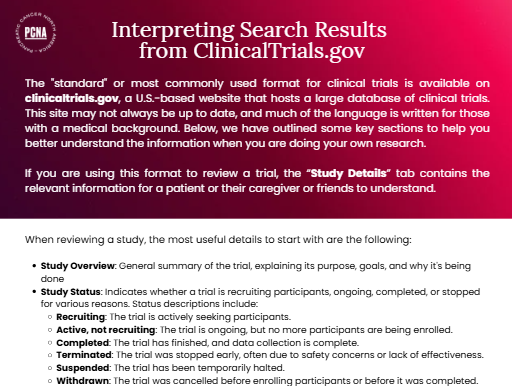
You can search trial databases directly. While information may not always be fully up to date, these platforms are useful for learning more about trials:
- Cancer Trials Canada (Canada only)
- ClinicalTrials.gov (International)
- You can also learn more about clinical trial options in Canada here: It Starts With Me – Getting Started.
Personalized trial matching services can save time
“We were amazed with the services available to find clinical trials personalized to your genetics. You can send your genetic reports and they will send back a list of trials that are specific to your situation, with summaries written in plain English. Although none of the searches are perfect, this handout is much easier to bring to your oncologist to discuss options.”
- Jen Lovrics, Connor’s Wife

Understanding eligibility criteria
Every clinical trial has specific eligibility criteria that determine who can participate. These are often divided into:
Inclusion Criteria
Rules used to identify participants who are eligible to take part in a clinical trial.
Exclusion Criteria
Rules used to identify people who should not participate in a clinical trial, often due to safety risks or factors that could affect study results.
When reviewing trials, some of the most common eligibility factors include:
Disease type
Some trials include a broad category, such as “all solid tumours,” while others are specific to a type of pancreatic cancer (exocrine or endocrine).
Biomarkers
A biomarker can be a gene, protein, or other substance in the blood or tumour tissue that may help guide treatment decisions.
Disease stage
Whether the cancer is Stage 1, 2, 3, or metastatic (Stage 4).
Treatment history
Some trials are designed for people starting treatment for the first time, while others are for those who have already had prior therapy.
Location of metastases
Where the cancer has spread in the body.
Clinical trial databases can contain a large amount of information. Our guide below can help you understand what the search results mean and how to review trial listings more confidently.
You don’t need to interpret all of the eligibility details yourself; your care team or trial coordinator can help. Focus on key information you understand, such as stage of disease, biomarkers (if known), and prior treatments, which can guide your search and discussions about eligibility. Keep in mind that some eligibility details, like blood test results, may only be determined after additional tests are performed by your doctor.
Organizing the results
Once you’ve gathered information about potential trials, it can be helpful to summarize the options in a list or table. This may make it easier to review with your oncologist, compare eligibility criteria, and identify which trials are most relevant to your situation.
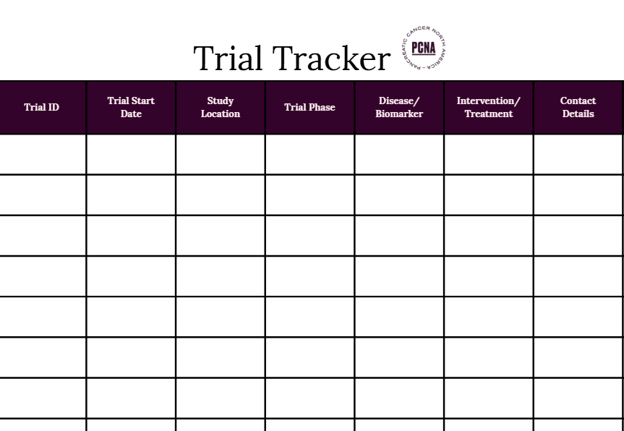
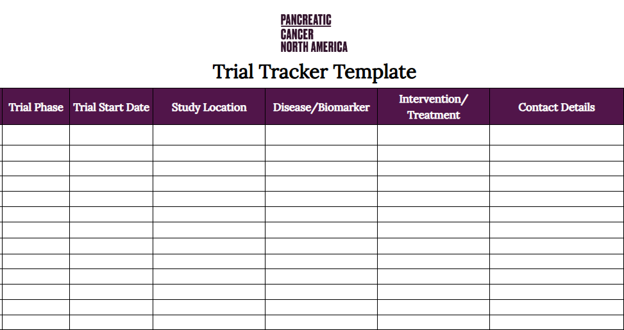
If you would like a simple way to organize potential trials, our Trial Tracker template can help you capture key details and compare options as you review them with your care team.

Stay up to date on new trials and treatments
Subscribe to newsletters or updates from pharmaceutical companies developing therapies for your specific cancer type or genetic biomarker. These updates can alert you to new clinical trials, emerging treatments, and drug approvals, helping you stay informed and giving you more information to discuss with your care team.
Organized & Informed: Exploring Clinical Trial Options
If a clinical trial is something you are considering, preparing in advance can be helpful, even while you are on a treatment that is working. In some situations, being organized ahead of time may make it easier to pivot if your treatment plan changes.
Table of Contents
Scroll to explore
Narrow down your options
You can use reports from other institutions to help identify potential trials, or set alerts and subscribe to updates from clinical trial databases so you are notified when new studies matching your search criteria become available.
Bringing a short list of potential trials or targeted treatments to discuss with your oncologist can help you feel prepared if/when a new treatment is needed.
This is an ongoing process. New trials open regularly, and eligibility criteria can change. Keeping an organized list of relevant trials, articles, or resources can make it easier to revisit options and have focused conversations with your care team. Staying organized between appointments helps you make the most of your time with your oncologist.
Ask your oncologist about emerging treatment options
Ask your oncologist: “What trials or treatment pathways are you most excited about right now?”
They may highlight emerging drugs or genetic targets that are especially promising and relevant to your specific genetic results. Use their insight to focus your energy on areas with real potential for your case.
Understanding medical records and referrals
Keeping your medical information organized can help make exploring clinical trials smoother.
.svg)
Clinical trial teams may require certain medical documents to assess preliminary eligibility.
These commonly include:
- Oncologist notes from recent appointments
- Recent lab results
- Radiology reports (CT, MRI, PET scans)
- Pathology reports
- Germline genetic testing reports
- Tumour genomic or molecular profiling reports
.svg)
If you're asked to help share medical information, keeping everything organized in one place can reduce delays and stress.
As treatment continues, updated information may also need to be shared, depending on how referrals are managed. Creating a secure shared folder such as Google Drive or Dropbox provide one central place to store important documents, making it easier to send information to trial teams, track your treatment history, and keep your care team informed.

Often, your doctor or care team will coordinate directly with the clinical trial site and provide the necessary information.
In some cases, you may be asked to help share your medical details. Many healthcare systems give patients the right to request their own medical records, and some hospitals and clinics provide online portals where you can view and download your information. Asking your care team how records and referrals are handled can help you understand what to expect.
Start the conversation with trial sites
If you are interested in specific trials but are currently stable on treatment, you may still be able to take preparatory steps.
.svg)
Connecting with trial sites
Reaching out to institutions on your short list can help you understand timelines, eligibility requirements, and what may be needed if a spot becomes available.
.svg)
Joining a clinical trial is a significant decision.
Before enrolling, it’s important to understand what the study is evaluating and how participation could affect your care, schedule, and quality of life. Asking questions early can help you feel more informed and confident in your choices.

The study team is available to answer your questions at any stage of the process.
While many details will be explained in the informed consent document, it’s important to ask about anything that feels unclear or relevant to your situation so you can feel confident in your decision.
Remember, taking these steps does not obligate you to enroll in the trial. If a spot becomes available, you can decide whether participation is right for you. Even if you decide not to participate, gathering information will help guide thoughtful discussions with your oncologist and care team and help them support you in evaluating future options.
Timing is everything
If you’re interested in clinical trials, don’t wait to start doing your research. When a standard of care drug stops working, things can change fast. At that point, you will want to know what trials and treatments have the most promise so that you can focus on options that are the best fit for you.
This will help you be prepared and ready if/when a trial spot opens up.

What to Expect:
Your Journey Through a Clinical Trial
If your preliminary information and initial consultation indicate that you may be eligible for a trial, the next step is typically an on-site visit. During this visit, you will review and sign the informed consent form and complete a series of screening tests required to confirm eligibility. Most trials require these assessments to be done at the study location to ensure accurate and standardized results.
Table of Contents
Scroll to explore
Understanding informed consent
Participating in a clinical trial begins with a process called informed consent.
This involves a discussion between you and the study team about many aspects of the study. An informed consent form is a document that you will receive from the healthcare team before you agree to participate. It describes important information about the study, such as:
- Why the clinical trial is being done
- Other available treatment options
- What procedures, tests, and medications are involved
- Extra visits and time commitments
- Potential risks and benefits to participating
- How your privacy will be protected and who will have access to your information
You will have time to review the information and ask questions before deciding whether to participate. If you decide to join the trial, you will sign the informed consent form and receive a copy for your records. You can take as much time as you need to decide.
Important: Signing the consent form does not mean you must stay in the study. You can withdraw[i] at any time, for any reason. If you decide not to participate, your routine medical care will not be affected.
You are not a statistic
Jen and Connor chose not to look at statistics. “No one person is a stat,” Jen said. “Everyone’s journey is unique. For us, that shift helped us focus on hope.”
Why it matters: Clinical data can be helpful, but it doesn't define you. Focusing too much on numbers may be overwhelming and impersonal. For many families, stepping away from the stats and focusing on individual strength, support, and possibilities can make space for optimism and clear decision-making.

Screening
After you sign the consent form, the research team will check the inclusion and exclusion criteria to make sure you are eligible for the study. The screening process may include:
- A review of your medical history
- Physical examinations to assess your overall health
- Lab work, such as blood tests, and other procedures needed for the study
- A biopsy (if required as part of the trial)
If you meet the eligibility criteria[i], you will be officially enrolled in the study.
Ineligibility and next steps
Not everyone who signs up will qualify for the clinical trial, and finding out that you are not eligible can feel discouraging. However, there are still options available. Your doctor can help you explore:
- Other clinical trials that may be a better fit
- Compassionate access programs for new treatments that are not yet approved or available in Canada
- Supportive care options to enhance comfort and well-being

Always advocate for yourself
Don’t be afraid to advocate for yourself or your loved one. No question or symptom should be ignored, and you should not be afraid to ask questions of your care team.
Trial Participation
Enrolling in a clinical trial marks the start of a new phase in your care, often involving closer monitoring, structured protocols, and increased communication and coordination with multiple healthcare providers. It is important to stay organized by keeping a record of appointments, test results, medications, and any symptoms or side effects. Clinical trials may include procedures and assessments that differ from standard care, so understanding what to expect can help reduce stress and ensure you're prepared for the process.
Table of Contents
Scroll to explore
Starting a trial
Once enrolled, you'll follow a schedule of study visits, treatments, and tests outlined in the informed consent form.
The research team will monitor your health closely and share any new information related to the study such as updates on treatment, side effects, safety concerns, new findings, or changes to the study protocol.
Some trials include a “washout period” during which you won’t receive treatment to allow previous therapies to clear from your system before beginning the study treatment. Knowing the length of the washout period helps you and the study team plan the best time to safely stop your current treatment and begin the study treatment, so you spend as little time as possible without therapy. Be sure to discuss any questions or concerns with your oncologist.
Study visits and travel coordination
The frequency of on-site visits will depend on how the trial treatment is delivered, whether intravenously, orally, or through other methods like radiation therapy. Many clinical trials require lab work, scans, and study-related procedures to be completed at the trial site for consistency and accuracy, though some can be coordinated locally. It’s important to clarify with the study team which visits and tests must be done on-site and which can be performed closer to home. If travelling for the trial, many supportive medications, such as those for pain management or symptom relief, can be provided by local healthcare providers with approval from the trial team.
The study team can provide a schedule or calendar of required visits, which may also be accessible through hospital patient portals. This can help you plan and manage costs related to travel, prescriptions, and procedures. If you anticipate any scheduling conflicts or need adjustments, be sure to discuss them with the trial team as early as possible to see if any accommodations can be made.
Monitoring your response
Monitoring schedules are determined by the study protocol and may differ from standard care. Early in the trial, assessments are typically more frequent to track your response to treatment and manage side effects. Your response to treatment will be evaluated through imaging, bloodwork, and observations of side effects. Based on these results, the study team may adjust your dose, delay treatment, or determine whether continuing the trial is appropriate. If the treatment isn’t working or side effects are difficult to manage, the team will discuss next steps with you. Decisions are made based on the study protocol and in collaboration with you and your care team.
Managing side effects and symptoms
Side effects can sometimes be different from what you expected. Let the study team know about any new or changing symptoms, even if they seem minor. Raising concerns early can make a meaningful difference. In many cases, there are effective ways to prevent, reduce, or manage side effects, but your team needs to know what you are experiencing in order to help.
While participating in a trial, it is common for the study team to review any new medications, over-the-counter products, or supplements before they are started. This helps avoid potential interactions and ensures the trial team can accurately assess your response to the treatment.
Participating in a clinical trial does not mean giving up control of your care. You still have the right to ask questions, express concerns, and make decisions at any point throughout the process. Supportive care and quality of life remain important parts of your treatment, and your broader care team can often continue to support you alongside the study team. In many cases, patients continue seeing their primary oncologist, palliative care team, and other existing providers while participating in a trial.

What the trial and the treatment meant to Connor
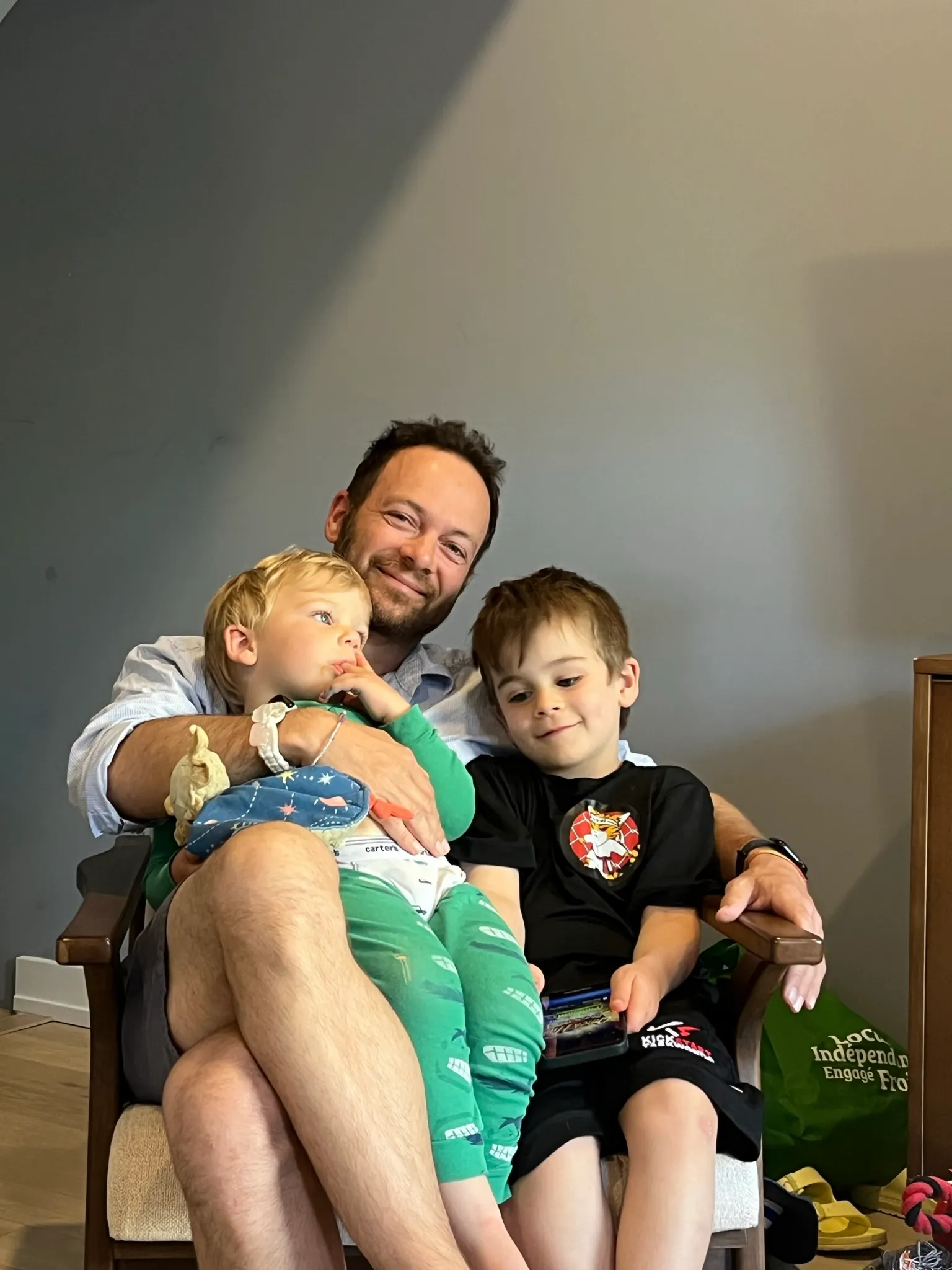
For Connor, the trial was a chance to feel “normal”. He was fortunate to have limited side effects from the trial drug. Unlike with chemo, he felt like himself again for six glorious months.

Prepare for your oncology appointments
Preparing for your oncology appointments in advance can help make the experience feel less overwhelming and more productive. Taking a few moments beforehand to write down your questions, concerns, or symptoms can help you feel more focused and confident during the visit.
Having your thoughts organized makes it easier to guide the conversation, ensure your priorities are addressed, and leave the appointment feeling clearer about next steps.
Whenever possible, bring a support person to appointments, either in person or virtually. They can help to take notes, ask follow-up questions, and help ensure that nothing important is missed. This allows the patient to stay present and fully engaged.

Beyond the Treatment: Costs, Travel, and Reimbursements for Clinical Trials
The overall cost of participation can differ widely depending on the trial site, the type of study, and your personal circumstances.
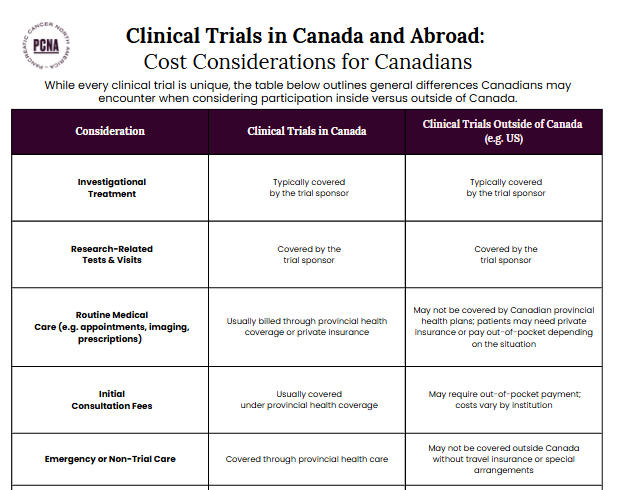
For Canadians considering participation in an international clinical trial, costs may differ from trials within Canada. In addition to travel and accommodation expenses, there may be consultation fees, testing costs, or other out-of-pocket expenses depending on the institution and study design.
The following outlines key considerations for clinical trials in Canada and abroad, along with potential sources of financial support that may help offset expenses.
Table of Contents
Scroll to explore
For Canadians considering participation in a U.S.-based clinical trial, the cost structure can be significantly different. In addition to travel and accommodation expenses, there may be consultation fees, diagnostic testing costs, or other charges depending on the institution and study design. Insurance coverage and provincial health reimbursement policies may also vary.
The overall cost of participation can differ widely depending on the trial site, the type of study, and your personal circumstances. The following outlines key considerations for clinical trials in Canada and abroad, along with potential sources of financial support that may help offset expenses.
Cost considerations to join a clinical trial in Canada
Most clinical trial sponsors[i] cover the cost of experimental treatments, research-related tests, and additional clinic visits.
Routine medical care is typically billed through provincial or territorial health coverage or private insurance. However, there may be other costs to think about. These can include travel, lodging, medications (that are not provided by the trial) and other out-of-pocket expenses.
In Canada, while insurance is not strictly required to join a clinical trial, you do need to be able to afford or receive provincial coverage for your standard care outside the trial. Some institutions in Canada accept uninsured patients, but you may need to pay up front and follow specific reimbursement policies. You should also speak with your insurance provider to clarify what, if any, costs are covered under your policy.If there are costs not covered by the clinical trial, provincial or territorial health care or private insurance, a variety of programs and resources are available to support you. Support options may include:
- Social workers and financial counsellors (available at hospitals and cancer centres)
- Travel reimbursement
- Accommodation assistance
- Stipends for meals or lost wages
It is important to speak with the research team to understand what may be available in your specific situation, especially if travel is required.
Tips for managing clinical trial costs in Canada
Research options early
If you are considering a clinical trial, begin asking about potential costs as soon as possible. Understanding travel requirements, frequency of visits, and whether care will take place outside your home community can help you anticipate expenses and explore support programs in advance.
Explore multiple sources of support
Financial assistance may be available from a range of sources, including:
- Charitable organizations and patient support foundations
- Provincial or territorial travel assistance programs
- Financial assistance programs offered by pharmaceutical companies
- Hospital-based patient assistance funds
- Community or faith-based organizations
Program requirements and availability vary, so speaking with your care team early can help you identify programs that may apply to your situation.
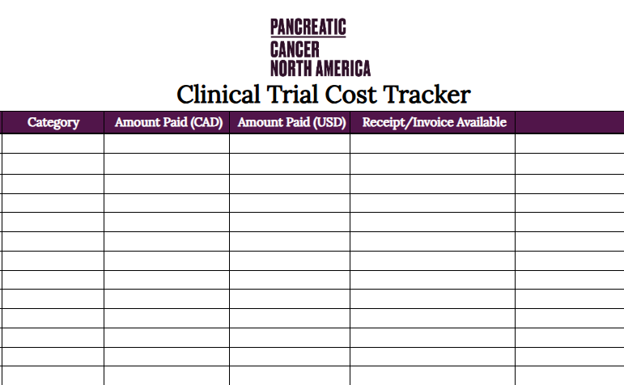
Keep detailed records
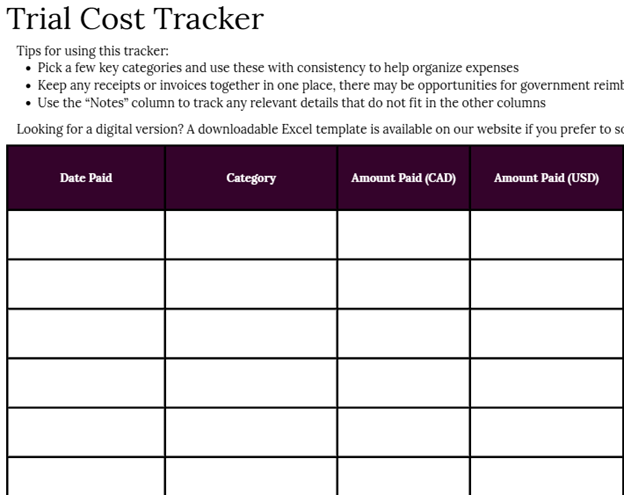
Maintain organized records of receipts and documentation related to travel, lodging, meals, parking, medications, and other trial-related expenses. Detailed records can be helpful for reimbursement applications, insurance claims, or potential medical expense tax credits. If you are unsure what qualifies, consider speaking with a financial advisor or reviewing Canada Revenue Agency guidance.
Seek guidance from local support services
Hospital social workers, financial counsellors, and patient navigators are experienced in helping patients understand available resources. Patient advocacy organizations and local non-profit organizations may also provide guidance, referrals, or direct financial assistance. You do not need to navigate this process alone.
Don’t let financial concerns stop the conversation
Financial considerations are an important part of clinical trial decision-making, but they should not be a barrier to asking questions or exploring options. Understanding potential costs early allows you to plan, access available supports, and make informed choices alongside your care team. With clear communication, proactive coordination, and the right guidance, many patients are able to find solutions that make participation feasible. Exploring clinical trials is part of advocating for your care, and financial planning is simply one component of that process.
National and provincial financial and travel assistance programs
Cost considerations to join a clinical trial outside of Canada
Some clinical trials for new or emerging treatments may not yet be available in Canada.
If you and your oncologist determine that a promising option is offered outside of Canada, it is important to understand the potential financial implications before moving forward.
Unlike many Canadian trials, international trial participation may involve additional medical and non-medical costs. While the study sponsor typically covers the investigational treatment itself and research-specific procedures, other expenses may not be covered.
These may include:
- Travel, lodging, meals, and local transportation
- Initial consultation fees, which may be required before eligibility is confirmed
- Diagnostic testing or repeat imaging required by the trial site
- Meals, local transportation, and extended stays
- Medical care, appointments and/or medications not covered by the trial protocol
- Currency exchange and cross-border financial considerations
Some trial sites require an in-person consultation before placing a patient on a waitlist, and policies regarding virtual consultations vary by institution and jurisdiction. Consultation fees and wait times can differ significantly across cancer centres and health care institutions.
It can be helpful to contact multiple trial sites to understand their processes, timelines, and fee structures. Exploring institutions beyond major academic centres may also identify sites offering the same trial with different waitlists, cost structures, or financial support programs.
Before proceeding, ask the trial site:
- What costs are covered by the sponsor?
- What costs are the patient’s responsibility?
- Are there financial assistance programs available through the institution?
- What coordination can occur with the local oncology team?
Speaking with your provincial/territorial health authority, private insurer, or a financial advisor may also help clarify what expenses may be reimbursed. As with Canadian trials, hospital-based social workers or financial counsellors may be able to guide you toward available support programs.

Costs can vary widely – don’t rule out the small players!
When exploring a clinical trial, it can be helpful to look at all institutions offering the study, not just the largest or most well-known centres. Different trial sites may follow different processes and have varying fee structures, even when offering the same protocol.
For example, some institutions may require an in-person consultation before adding a patient to a waitlist, while others may offer virtual consultations or allow waitlist placement with more limited upfront requirements. Consultation formats, timelines, and associated costs can vary significantly across centres.
Understanding these differences early can help you make informed decisions and potentially reduce unnecessary travel or expenses. Because international trial-related costs are typically not covered by Canadian health plans, asking detailed questions about consultation requirements and fees in advance is especially important.
Taking time to compare options across trial sites may help identify an approach that is both medically appropriate and financially manageable.

Tips for managing clinical trial participation costs outside of Canada
Careful planning and proactive coordination with your Canadian healthcare team can help you understand potential costs, reduce unnecessary expenses, and ensure more efficient and cost-effective care when exploring clinical trials.
Tests and procedures
Some bloodwork, imaging, or staging scans that are not required to be completed at the trial hospital may be arranged locally in Canada. Clarifying early which tests must be done on site and which can be completed closer to home can help reduce travel and associated costs.
Supportive medications
Medications to manage side effects are not always supplied by the trial sponsor. Coordination between your local oncologist and the trial physician may allow these prescriptions to be managed in Canada when appropriate.
Appointment-related costs
Not all physician visits outside of the formal study protocol are covered by the sponsor. Asking in advance what is included and what may be billed separately can help you plan accordingly.
Travel, meals, and accommodations
Hospital social workers, financial counsellors, patient advocacy organizations, and local non-profit groups may offer guidance or financial assistance. Some international trial centres have support programs or grants available to help offset travel-related expenses for eligible patients.
Keep detailed records
If you are a Canadian participating in an international clinical trial, it is important to keep detailed records of all trial-related expenses, including receipts, travel costs, accommodations, and medical documentation. In some cases, expenses related to medical care or treatment not available in Canada may be considered for tax purposes. Eligibility depends on individual circumstances and current tax rules, so it is advisable to consult a qualified tax professional.
Tracking potential expenses can help you compare the financial considerations of participating in a clinical trial in Canada versus another country and identify areas where support programs may help offset costs. For an overview of common cost differences and considerations, review our Cost Considerations resource.
How Connor Made the Costs of His Clinical Trial Costs More Manageable by Planning Early
While many clinical trials cover the cost of the study drug and certain research procedures, other expenses such as travel, lodging, or routine medical care may still apply. Connor’s family learned that understanding these details early helped them plan ahead and explore available support programs.
After the Trial
Participation in a clinical trial may end for several reasons. This can include disease progression while receiving the study treatment, side effects that become difficult to manage, completion of the study protocol, or closure of the trial. You may also choose to withdraw from the study at any time.
Table of Contents
Scroll to explore

What's Next
As with joining a trial, it is important to understand what treatment options may be available after you leave the study. These could include additional approved therapies, a return to a previous therapy, or consideration of a different clinical trial.
Maintaining communication with your local oncologist throughout the trial can help ensure a smoother transition when it is time to move forward with the next step in your treatment.

Follow-Up
Many trials include a follow-up period after treatment ends. During this time, the research team may check in periodically to monitor your health and gather longer-term information about outcomes and side effects. The frequency and duration of follow-up are outlined in the informed consent form.

Sharing Results
The results of a clinical trial may be published in scientific journals or presented at medical conferences. The findings are combined for all participants (presented in aggregate) so that no individual can be identified. This protects your privacy while still sharing the study results.
You can ask the study team if or when results will be shared with participants. In some cases, you may receive individual results related to your own health, depending on the nature of the study.
The Takeaway
Discussing clinical trial options with your oncologist or healthcare team is an important part of your care. Let them know you are interested in research-based treatments and ask whether a clinical trial could be part of your treatment plan. Your oncologist may be aware of trials at your current hospital or recommend one at another centre that better matches your needs. Asking about clinical trials early helps you stay actively involved in your care and ensures that all treatment options are explored.
By participating in a clinical trial, not only could you get access to novel treatments that may benefit your care, but you also offer new hope to others. Whatever path you choose, know that making an informed decision is a powerful step in your care journey.
In a letter Connor wrote to his boys before his passing, he shared some of what he had learned in life about gratitude, self-esteem, hope, legacy, purpose and friends. On hope, Connor shares:
“Hope is powerful. It can turn a negative outcome into a positive one. Hope can make you live longer, it helped me. Hope gives you something positive to think about and act on. Don’t worry about being hopeful about something that ends up not working out. There’s no penalty for hoping and there’s no prize for guessing you’ll fail and then being right”

A fund has been established in Connor’s memory with the goal of continuing to support others with pancreatic cancer get access to novel treatments.
All Resources

In case you missed:
All downloadable resources from Connor’s Playbook: